Source Pressure Sensor Chip for Medical, Industrial, and HVAC Uses
Explore 30 verified listings for pressure sensor chip solutions tailored for medical, industrial, and HVAC applications. Buyers can compare specifications like accuracy, pressure range, and material to find the right component for their projects; compare the available evidence and request quotations based on your requirements.
Key considerations
Products List






Comprehensive Sourcing Guide
Pressure Sensor Chip Sourcing Guide
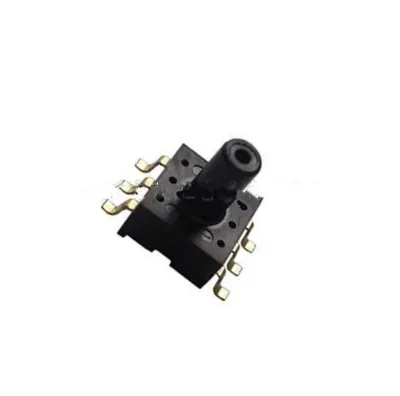
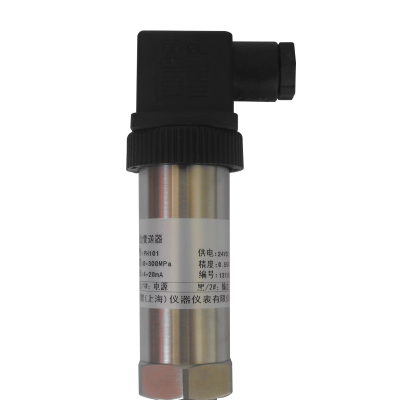
Sourcing pressure sensor chips requires a nuanced understanding of semiconductor integration and industrial application requirements. Buyers must distinguish between discrete components and integrated modules, as the latter often include signal conditioning and digital output capabilities. The market offers a variety of form factors, from compact diffused silicon transmitters to specialized medical accessories, each serving distinct operational needs. Understanding these variations is critical for aligning procurement with specific engineering constraints and end-use environments.
This guide focuses on verifying technical integrity and commercial viability for pressure sensor chips, particularly those originating from established manufacturing hubs like Guangdong, China. Procurement teams should prioritize suppliers who provide transparent data sheets and customizable packaging options. By focusing on observable listing signals and rigorous technical verification, buyers can mitigate risks associated with component failure and ensure long-term supply chain stability for their electronic assemblies.
Product Scope and Observed Listing Signals
The current market landscape for pressure sensor chips includes a diverse range of products, with observed price points spanning from $0.60 to $420 USD. This wide variance reflects differences in accuracy, material composition, and output signal types, ranging from analog to digital interfaces. Minimum order quantities typically range from 1 to 1000 units, allowing for both prototyping and large-scale production runs. Buyers should note that customization is widely available, enabling tailored solutions for specific housing, wiring, or calibration requirements.
Listing signals indicate a strong presence of stainless steel housing and diaphragm materials, particularly 316L grade, which offers robust corrosion resistance for harsh environments. Many products feature semi-conductor integrated production processes, ensuring high sensitivity and stability. Observations also highlight specific model numbers such as 20-0584 and 1620-H-W-T, alongside dimensions like 19mm diameter. These details help buyers identify compatible replacements or upgrades for existing systems, ensuring seamless integration into broader electronic or mechanical assemblies.
Technical Specifications to Verify
Verifying technical specifications is paramount when selecting pressure sensor chips, particularly regarding pressure ranges and accuracy. Common operating ranges observed include -50 to 300 mmHg for certain medical applications and 0 to 250 Pa up to 10 kPa for industrial uses. Accuracy levels vary, with some chips offering ±0.25% F.S. while others provide 0.5% Fs. Buyers must confirm the pressure reference type, such as gauge pressure, and ensure the zero pressure offset and thermal span shift align with their system’s tolerance requirements for precise measurement.
Output signal characteristics and excitation parameters also require careful review. Digital output types are increasingly common, simplifying integration with microcontrollers and data acquisition systems. Key parameters include span output, typically ≥30mV, and zero output, often ±2mV. Excitation currents around 1.5mA are standard, but buyers should verify compatibility with their power supply constraints. Additionally, thermal compensation ranges, such as 0°C to 50°C, and operating temperatures from -20°C to 85°C, must match the environmental conditions of the final application to prevent drift or failure.
Compliance and Safety Documentation
Compliance documentation serves as a critical indicator of product quality and regulatory adherence. Certifications such as CE mark the product’s conformity with health, safety, and environmental protection standards for products sold within the European Economic Area. Buyers should request valid certification documents to verify that the manufacturer has undergone appropriate testing and quality audits. This step is essential for ensuring that the pressure sensor chips meet international regulatory requirements, facilitating smoother customs clearance and market entry for finished goods.
Beyond certifications, buyers must assess the manufacturer’s commitment to quality management systems. While specific ISO standards may not be explicitly listed in all observations, reputable suppliers typically adhere to rigorous internal quality controls. Documentation should include detailed test reports, calibration certificates, and material composition statements, particularly for stainless steel components. Ensuring that all safety and compliance data is readily available helps mitigate legal risks and enhances the credibility of the supply chain, providing assurance to end-users and regulatory bodies alike.
Cost Drivers and Commercial Terms
Several factors influence the cost structure of pressure sensor chips, including material quality, manufacturing complexity, and customization levels. The use of high-grade stainless steel, such as 316L, and advanced semi-conductor integration processes can increase production costs but offer superior durability and performance. Customization options, such as specific thread types like NPT or unique wiring configurations, may also impact pricing. Buyers should evaluate the total cost of ownership, considering not just the unit price but also the potential savings from reduced maintenance and higher reliability.
Commercial terms, including payment methods, shipping arrangements, and warranty policies, play a significant role in the procurement process. Standard export packing with cartons is commonly used, but custom packaging may be required for specific logistical needs. Lead times and minimum order quantities can vary based on production capacity and inventory levels. Buyers should negotiate clear terms regarding defects, returns, and after-sales support to protect their investment. Understanding these commercial dynamics allows for more effective budgeting and risk management throughout the procurement lifecycle.
Supplier Qualification and Quality Control
Supplier qualification involves a thorough assessment of the manufacturer’s capabilities, reputation, and quality control processes. Buyers should verify the supplier’s production facilities, particularly their expertise in semi-conductor integrated manufacturing. Observations indicate that many suppliers are located in Guangdong, China, a region known for its robust electronics manufacturing ecosystem. Engaging with suppliers who have a proven track record in producing high-sensitivity sensors ensures that the components meet stringent performance standards and deliver consistent quality across batches.
Quality control measures should include rigorous testing for accuracy, thermal stability, and long-term drift. Buyers should request sample units for independent testing to validate the supplier’s claims regarding sensitivity, output symmetry, and operating temperature ranges. Establishing a clear communication channel for technical support and issue resolution is also crucial. By prioritizing suppliers with robust quality assurance protocols, buyers can minimize the risk of component failures and ensure the reliability of their final products, fostering a stable and productive supplier relationship.
Long-Term Procurement Checks
Long-term procurement success depends on continuous monitoring of supplier performance and market trends. Buyers should regularly review supplier delivery times, product consistency, and responsiveness to technical queries. Establishing key performance indicators (KPIs) for quality and service helps in objectively evaluating supplier contributions to the supply chain. Additionally, staying informed about advancements in sensor technology, such as improved digital output interfaces or enhanced thermal compensation, allows buyers to make proactive decisions about component upgrades or replacements.
Supply chain resilience is another critical aspect of long-term procurement. Diversifying the supplier base and maintaining safety stock for critical components can mitigate risks associated with production disruptions or geopolitical factors. Buyers should also consider the lifecycle status of the pressure sensor chips, ensuring that components remain available for future production runs. By implementing a structured approach to supplier management and market analysis, buyers can secure a reliable supply of high-quality pressure sensor chips, supporting the sustained success of their electronic and industrial applications.
FAQs
What is the accuracy of the pressure sensor chip?
The pressure sensor chip offers an accuracy of plus or minus 0.25 percent of full scale. This precision is supported by a compensated temperature range of zero to fifty degrees Celsius. The device features a digital output signal type and utilizes a semi-conductor integrated production process for reliable performance in medical accessories.
Can the pressure sensor chip be customized for specific needs?
Yes, customization is available for this pressure sensor chip. Buyers can request specific packaging options, including standard export packing with cartons or custom configurations. The product supports various model numbers and allows for tailored solutions to meet distinct application requirements within the medical and industrial sectors.
What certifications does the pressure sensor chip hold?
The pressure sensor chip holds CE certification, ensuring compliance with relevant safety and quality standards. This certification supports its use in regulated environments such as medical accessories. The component is manufactured in Guangdong, China, and features a stainless steel housing and diaphragm for durability and corrosion resistance.
What is the operating temperature range for this sensor?
The operating temperature range for this pressure sensor chip spans from negative twenty to eighty-five degrees Celsius. The compensated temperature range is zero to fifty degrees Celsius. These thermal specifications ensure stable performance across various environmental conditions, making it suitable for diverse industrial and medical applications requiring reliable pressure monitoring.
What is the minimum order quantity for this product?
The minimum order quantity for this pressure sensor chip ranges from one to one thousand units. This flexible MOQ allows buyers to scale their procurement based on project size. The product is available with customization options and various model numbers, supporting both small-scale testing and large-volume manufacturing needs.
What material is used for the housing and diaphragm?
The housing and diaphragm of this pressure sensor chip are made from 316L stainless steel. This material provides excellent corrosion resistance and mechanical strength. The component also features a diffused silicon pressure transmitter design, ensuring high sensitivity and stability for accurate pressure measurements in demanding operational environments.